
What to put in a music EPK
Build an electronic press kit that helps promoters, writers and potential collaborators quickly understand your music.
Read guideFind suitable bills, write a useful booking email and confirm the details that make a first show run smoothly.
Start with bills you would genuinely fit. Look at smaller venues, local promoters, community events and support slots where the audience is likely to understand your music. A room’s overall reputation matters less than whether it runs the kind of night you can contribute to.
Check current activity before contacting anyone. An old venue listing may point to a closed room or a promoter who no longer books there. Recent event announcements and the venue’s own website can help you find the current booking route.
Use the published booking route and address the right person where their name is available. Keep the first message short: who you are, why you fit that venue or bill, when you are available and where they can hear or watch you.
Subject: [Artist name] / [type of show] / [month or date range]
Hi [name],
I’m [name], a [short description] based in [area]. I saw you’re booking [specific relevant night or kind of bill] and thought we could be a good fit.
Here’s a live clip: [link]. Our current music and a short introduction are here: [EPK or artist page].
We’re looking for [support slots / a specific kind of booking] around [availability]. Is there a suitable booking route or upcoming bill we should be speaking to you about?
Thanks,
[name and contact]
Adapt the wording to the relationship. Do not claim a connection to an event you have not actually looked at. Avoid large attachments and leave the recipient with one clear question.
Build a setlist that fits the actual time available, including transitions, tuning and introductions. A 30-minute slot is not 30 minutes of music plus ten minutes between songs. Have a realistic plan for getting on and off stage.
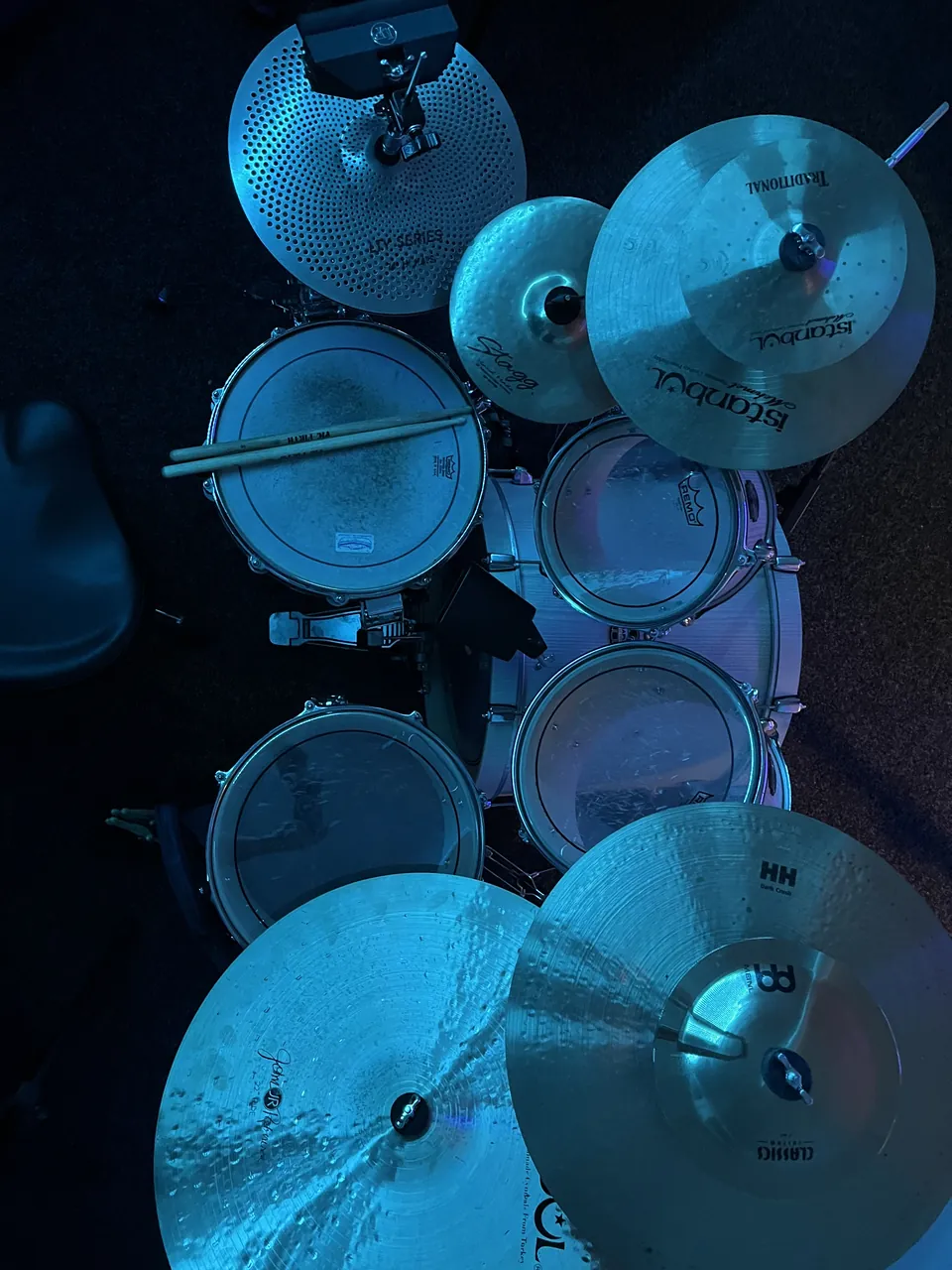
Send the current technical information to the appropriate contact and check anything unusual in advance. Do not arrive assuming the house kit, instruments or playback connections will match your rehearsal room. Carry the essential items you are responsible for.
Product details checked on 10 November 2026. Plans, fees and availability can change.

Bring dates, contacts, setlists and payment tracking into Your shows.
Keep your next show organised